We use cookies to make your experience better. To comply with the new e-Privacy directive, we need to ask for your consent to set the cookies. Learn more.
 info@hcwhealth.com
 01695 227300 MON-FRI 08:30-17:00
 FREE SHIPPING FOR UK ORDERS OVER £20.00 excl. VAT
Managing Chronic Conditions at Home: A Guide to Safe, Effective Device Use
Posted:
November 07, 2025
Categories:
Guides
Introduction
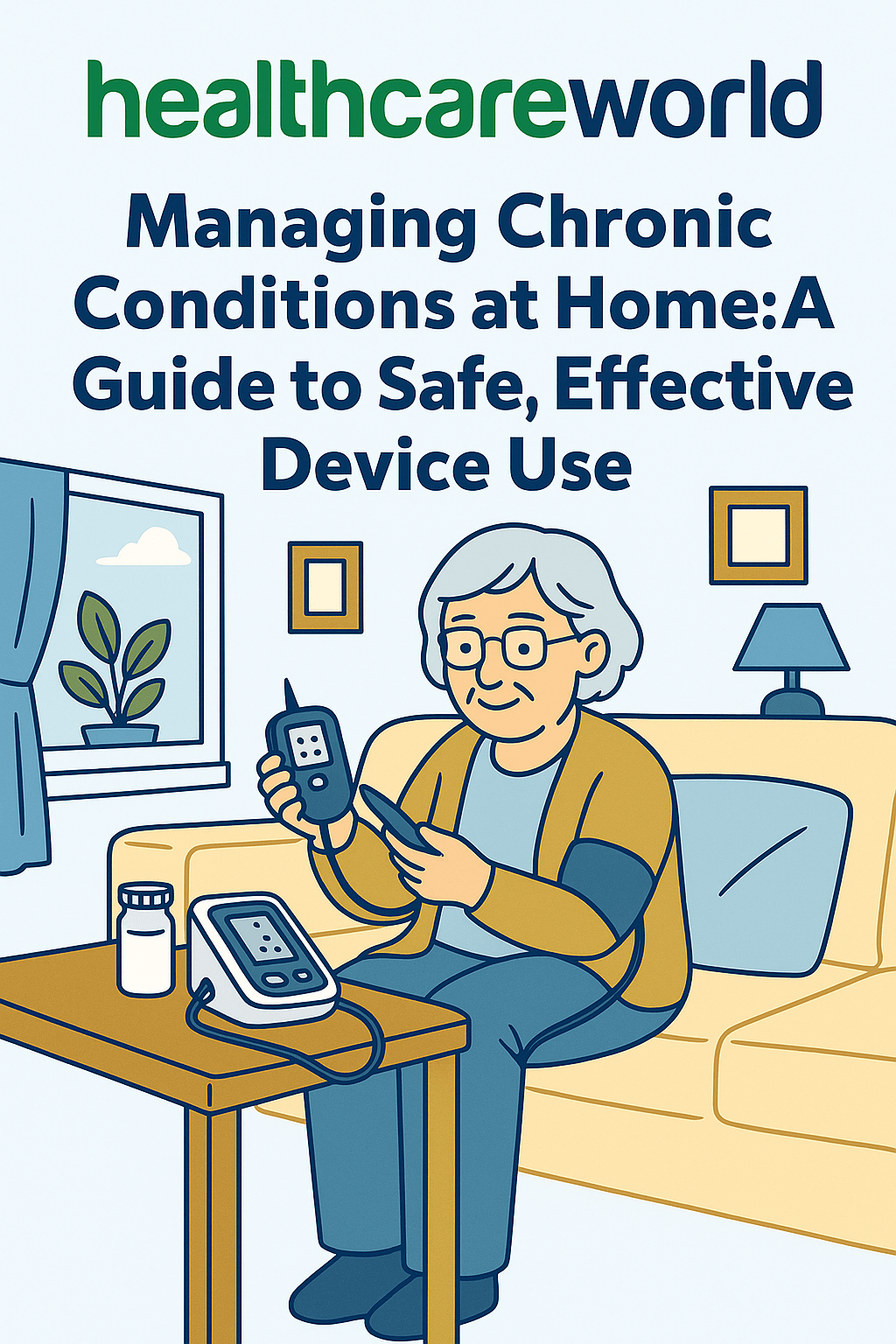
In recent years, more people than ever are taking their health into their own hands — literally. With modern home-use medical devices, managing long-term conditions like chronic pain, high blood pressure, or diabetes has become safer, easier, and more convenient.
But while these tools can empower you to live more comfortably and independently, knowing how to use them properly makes all the difference. Here’s a practical guide to help you choose, use, and care for your home health devices safely and effectively.
Why Home Health Devices Matter More Than Ever
Home monitoring and therapy devices have transformed daily health care. Whether you’re managing persistent back pain, keeping an eye on your blood pressure, or rebuilding strength after illness, these devices help you stay consistent and informed.
- Early detection: Regular checks can spot small changes before they become big problems.
- Convenience: No need to schedule appointments for simple readings or therapy sessions.
- Empowerment: You stay in control of your progress — with data and routines that fit your lifestyle.
At Healthcare World, we’ve seen how tools like TENS machines, ultrabreathe trainers, and blood pressure monitors can improve quality of life when used safely and consistently.
Choosing The Right Device For Your Needs
For Chronic Pain:
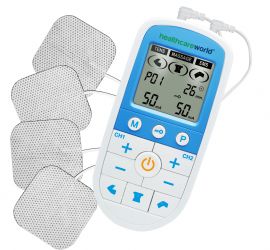
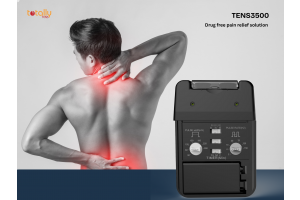
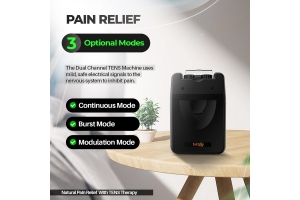
TENS (Transcutaneous Electrical Nerve Stimulation) machines offer non-invasive, drug-free pain relief. Ideal for conditions like arthritis, sciatica, or muscle strain, they work by sending small electrical pulses through electrodes on the skin to block pain signals and stimulate endorphins.
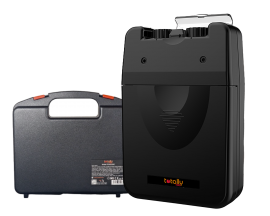
- Try the TPN Analogue Dual Channel TENS Machine
- Browse more in our TENS & EMS Therapy Range
For Blood Pressure Management:
A reliable blood pressure monitor helps you keep track of your cardiovascular health at home. Choose a CE-certified model with memory storage and an easy-to-read display. Taking daily readings at the same time can help you and your GP identify long-term patterns.
- Explore our full range of Blood Pressure Monitors
For Diabetes:
Compact glucose monitors allow quick, accurate checks. Many now connect to smartphone apps, making it easy to record and share results. Always follow your healthcare professional’s advice for frequency and target ranges
- Browse our trusted Glucose Monitors & Accessories
For Respiratory Health:
Devices like Ultrabreathe trainers help strengthen respiratory muscles — great for recovery, fitness, or supporting those with respiratory conditions.
- Recommended: Breathing Exerciser / Ultrabreathe Trainer
When choosing a device, look for:
- CE or medical-grade certification
- Clear instructions and customer support
- Replaceable parts (pads, leads, or batteries)
- Compatibility with your needs or existing devices
Integrating Devices Into Your Daily Routine
The best results come from consistency. Here are some quick tips:
- Schedule usage: For example, measure blood pressure before coffee, or use your TENS machine after a warm shower to relax muscles.
- Track your progress: Keep a health journal or use digital tracking apps.
- Combine with lifestyle habits: Pair regular device use with exercise, balanced nutrition, hydration, and adequate sleep.
Even five minutes a day with the right device can make a lasting difference over time.
Common Mistakes to Avoid
Using devices incorrectly can lead to poor results — or even discomfort. Be mindful of these common errors:
- Overusing TENS or EMS: More intensity doesn’t mean better relief. Follow recommended session times.
- Incorrect pad placement: Always refer to diagrams or guides before using a TENS machine.
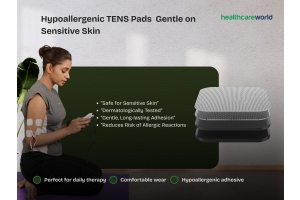
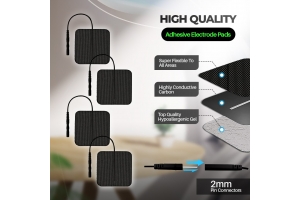
- Mixing accessories: Only use compatible pads, leads, and gels.
- Skipping maintenance: Clean electrodes and check wires regularly to maintain effectiveness.
- Ignoring warning signs: Stop using a device if you experience pain, irritation, or irregular readings.
When to Seek Professional Medical Help
Home devices are designed to support medical care, not replace it. Seek professional advice if you experience:
- Persistent or worsening pain
- Unusual blood pressure or glucose readings
- Dizziness, fatigue, or skin irritation from device use
- Any symptom that feels concerning or new
Always follow up regularly with your GP, physiotherapist, or specialist to keep your care plan up to date.
Frequently Asked Questions (FAQ)
1. How often should I use my TENS machine for chronic pain?
Most users benefit from 1–2 sessions daily, lasting 20–30 minutes each. However, follow your device’s manual and consult a professional if you’re unsure.
2. Can I sleep with my TENS machine on?
No — it’s not recommended. Always use your device while awake and alert, and never during sleep.
3. How long do electrode pads last?
Pads usually last between 20–30 uses, depending on care. Keep them clean, store them on their backing, and replace them when adhesion weakens.
4. Are TENS machines safe for everyone?
TENS machines are generally safe, but people with pacemakers, epilepsy, or who are pregnant should seek medical advice first.
5. Can I use multiple home devices together?
Yes, but avoid overlapping treatments on the same area. For example, don’t use a TENS machine directly after applying heat or cold packs.
6. My readings fluctuate daily — is that normal?
Minor variations are normal. Focus on long-term trends, not single results. Consistent extreme readings, however, should be checked by your GP.
Building Confidence in Home Health Care
Managing chronic conditions at home doesn’t have to feel complicated. With the right devices and habits, you can take an active role in your health and wellbeing — safely, confidently, and effectively.
Healthcare World provides a wide range of trusted, CE-certified medical devices — from TENS machines and electrodes to home monitoring tools — designed to help you live better, every day.
Explore our full collection here and start building a healthier routine from home.
References
-
NHS – Transcutaneous electrical nerve stimulation (TENS): https://www.nhs.uk/conditions/transcutaneous-electrical-nerve-stimulation-tens
-
British Heart Foundation – How to measure your blood pressure at home: https://www.bhf.org.uk/informationsupport/heart-matters-magazine/medical/blood-pressure/how-to-measure-your-blood-pressure-at-home
-
Diabetes UK – Monitoring your blood sugar levels: https://www.diabetes.org.uk/guide-to-diabetes/managing-your-diabetes/testing
-
National Institute for Health and Care Excellence (NICE) – Chronic pain (primary and secondary) in over 16s: assessment of all chronic pain and management of chronic primary pain: https://www.nice.org.uk/guidance/ng193
-
Mayo Clinic – Self-care tips for chronic pain: https://www.mayoclinic.org/diseases-conditions/chronic-pain/in-depth/pain-management/art-20046411
Related Products
-
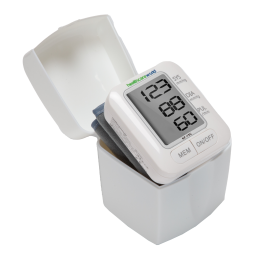 Wrist Blood Pressure Monitor – Digital BP Machine with Auto Inflation, Adjustable Cuff, Portable & Easy-to-Use for Accurate Home Blood Pressure ReadingsSpecial Price £15.99 Regular Price £25.99