We use cookies to make your experience better. To comply with the new e-Privacy directive, we need to ask for your consent to set the cookies. Learn more.
 info@hcwhealth.com
 01695 227300 MON-FRI 08:30-17:00
 FREE SHIPPING FOR UK ORDERS OVER £20.00 excl. VAT
How TENS Therapy Affects Different Nerve Fibers (Aβ, Aδ, and C Fibers) – And Why the Totally TENS TPN Machine Is Perfect
Posted:
August 22, 2025
Introduction
When using a TENS machine, most people feel a tingling sensation, muscle twitching, or soothing relief. But have you ever wondered how TENS therapy actually interacts with your nerves? The answer lies in three key types of nerve fibers: Aβ, Aδ, and C fibers.
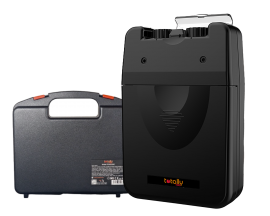
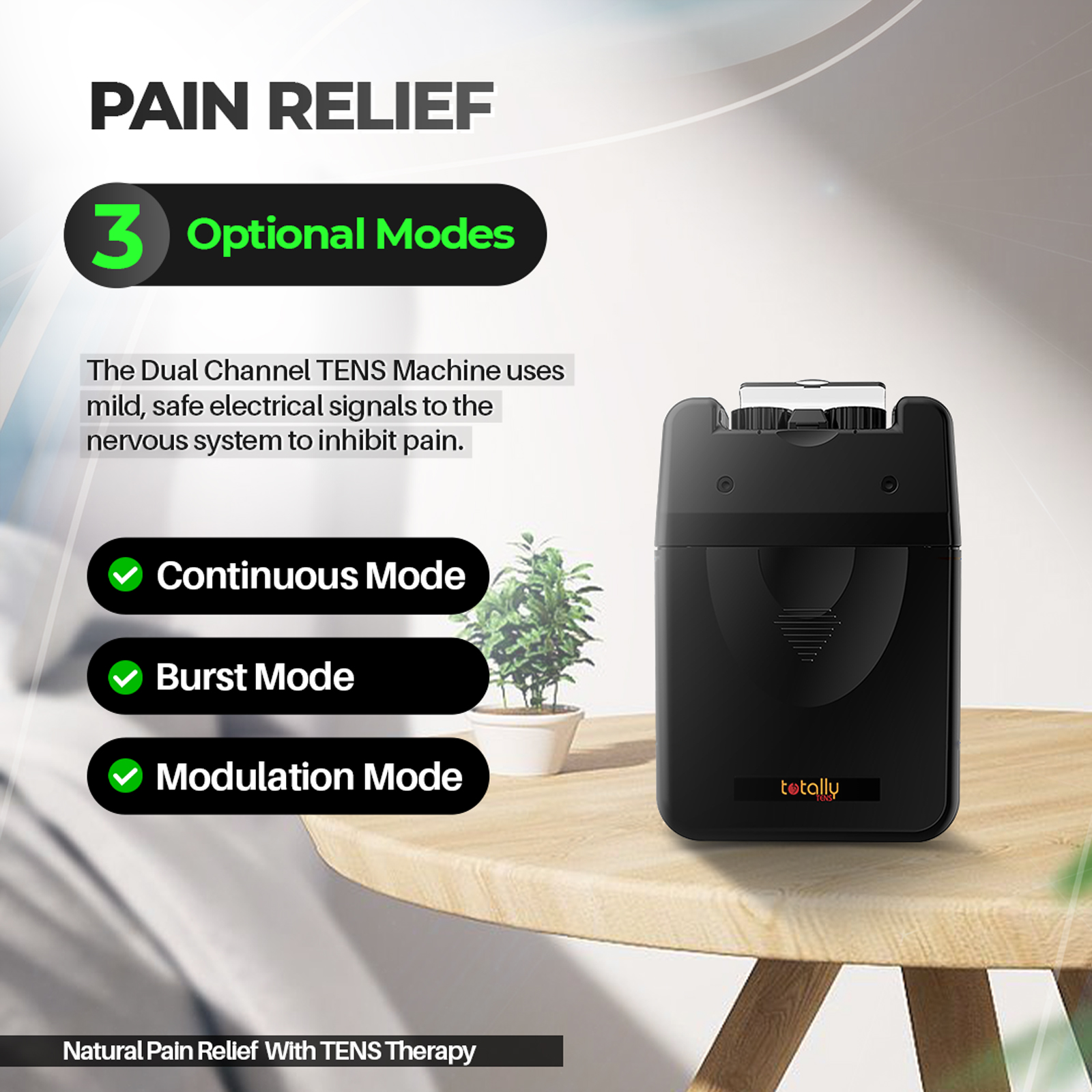
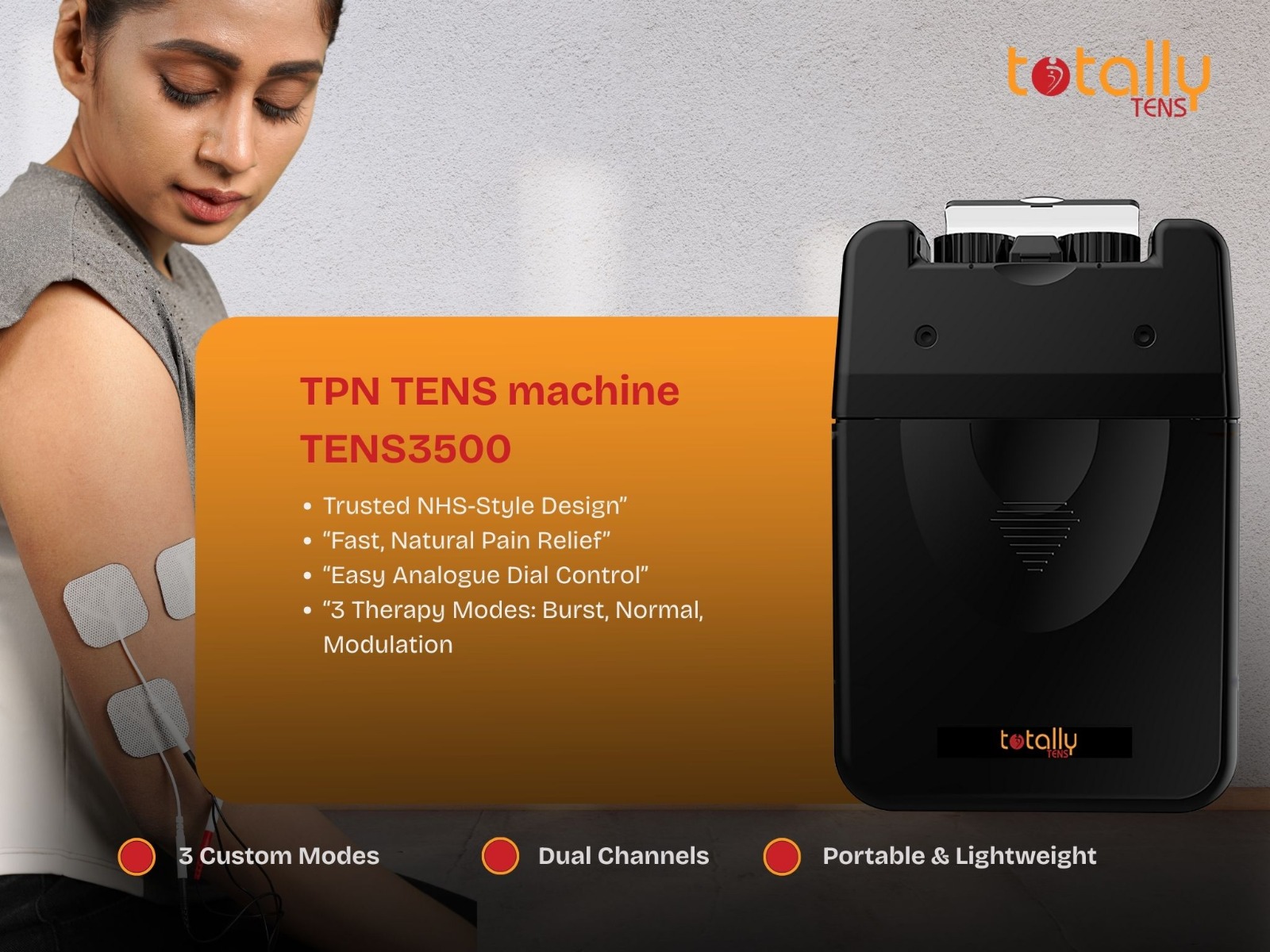
Understanding how TENS affects these fibers helps explain why it works so well for pain relief – and why choosing the right device, like the Totally TENS TPN Analogue Dual Channel Machine, makes a big difference in results.
How TENS Therapy Works in Simple Terms
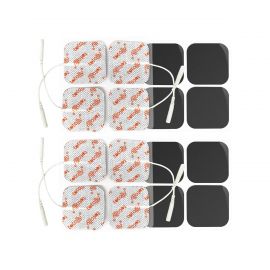
TENS (Transcutaneous Electrical Nerve Stimulation) sends tiny electrical pulses through electrode pads placed on your skin. These pulses don’t just “numb” pain – they actually interact with nerve fibers to:
-
Block pain signals before they reach the brain.
-
Stimulate the release of endorphins, the body’s natural painkillers.
-
Improve circulation and relax muscles.
But not all nerve fibers are the same. Each type reacts differently to TENS, which is why adjustable settings matter so much.
Aβ Fibers – The Comfort Carriers
-
What they do: These are large, fast-conducting fibers responsible for touch, pressure, and vibration sensations.
-
How TENS affects them: Low-intensity, high-frequency TENS stimulates Aβ fibers, which helps “close the pain gate” so pain signals are blocked.
-
Result: Tingling or massaging sensation instead of sharp pain.
Aδ Fibers – The Sharp Pain Messengers
-
What they do: Smaller, faster fibers that carry sharp, immediate pain (like cutting your finger).
-
How TENS affects them: Higher frequencies and modulated modes can reduce Aδ activity, making acute pain (sports injury, muscle spasm) feel less severe.
-
Result: TENS calms the “spike” of pain so recovery feels more comfortable.
C Fibers – The Slow, Aching Pain Pathways
-
What they do: Tiny, unmyelinated fibers that transmit slow, dull, throbbing pain often linked to chronic conditions like arthritis, sciatica, or period cramps.
-
How TENS affects them: Low-frequency, high-intensity TENS (also called acupuncture-like TENS) stimulates endorphin release, reducing persistent pain from C fibers.
-
Result: Long-lasting, natural relief without relying on painkillers.
Why the Device Matters: Totally TENS TPN Analogue Dual Channel Machine
Not all TENS machines are equal when it comes to targeting these fibers. The Totally TENS TPN device stands out because:
-
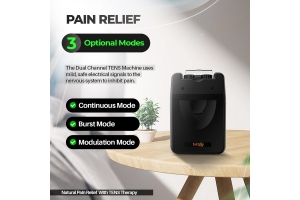
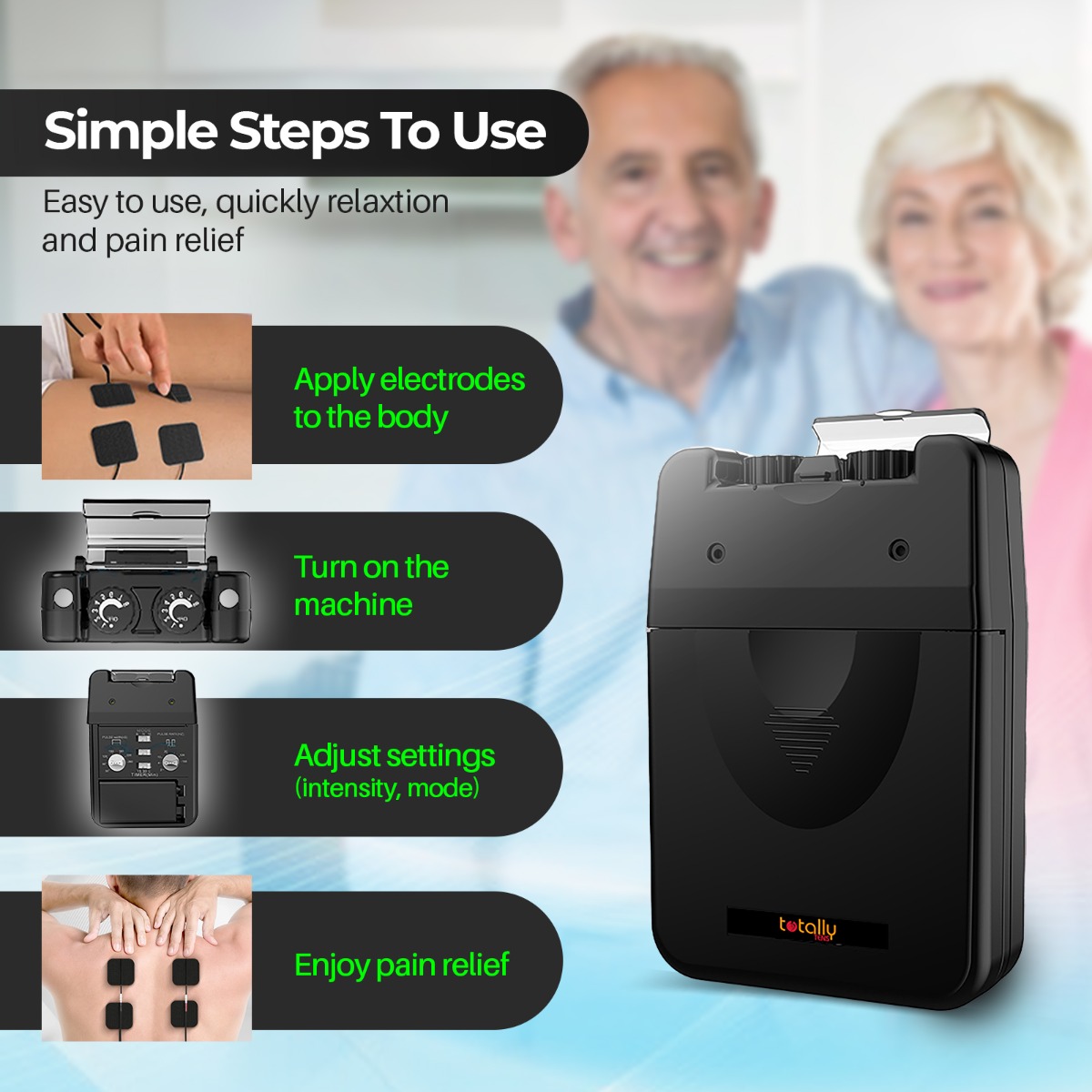
3 Custom Modes – Burst, Normal, and Modulation let you switch between Aβ, Aδ, and C fiber targeting.
-
Adjustable Pulse Width & Frequency – Tailor therapy to either acute sharp pain or chronic dull aches.
-
Dual Channels – Treat two areas at once (e.g., back and leg) with independent intensity.
-
Analogue Dials – Precise, easy-to-control adjustments (preferred by NHS patients).
-
Portable & Lightweight – Relief at home, at work, or while travelling.
By giving you control over frequency (2–150 Hz) and pulse width (30–260 μs), this TENS machine is designed to interact with all three nerve fiber types effectively.
Conclusion
TENS therapy works because it targets different nerve fibers – from the fast-touch Aβ fibers to the slow, aching C fibers. The right balance of settings determines whether you get temporary tingling relief or long-lasting comfort.
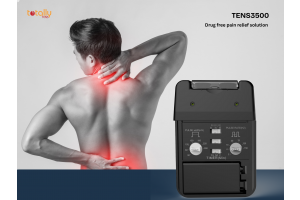
The Totally TENS TPN Analogue Dual Channel Machine is ideal for anyone who wants drug-free, versatile, and effective pain relief. With its adjustable modes, dual channels, and precision controls, it’s the perfect choice for tailoring TENS therapy to your unique pain.
???? Ready to experience nerve-targeted pain relief?
[Shop the Totally TENS TPN Machine Here]