We use cookies to make your experience better. To comply with the new e-Privacy directive, we need to ask for your consent to set the cookies. Learn more.
 info@hcwhealth.com
 01695 227300 MON-FRI 08:30-17:00
 FREE SHIPPING FOR UK ORDERS OVER £20.00 excl. VAT
Common Skin Reactions from TENS Pads and How Hypoallergenic Pads Help
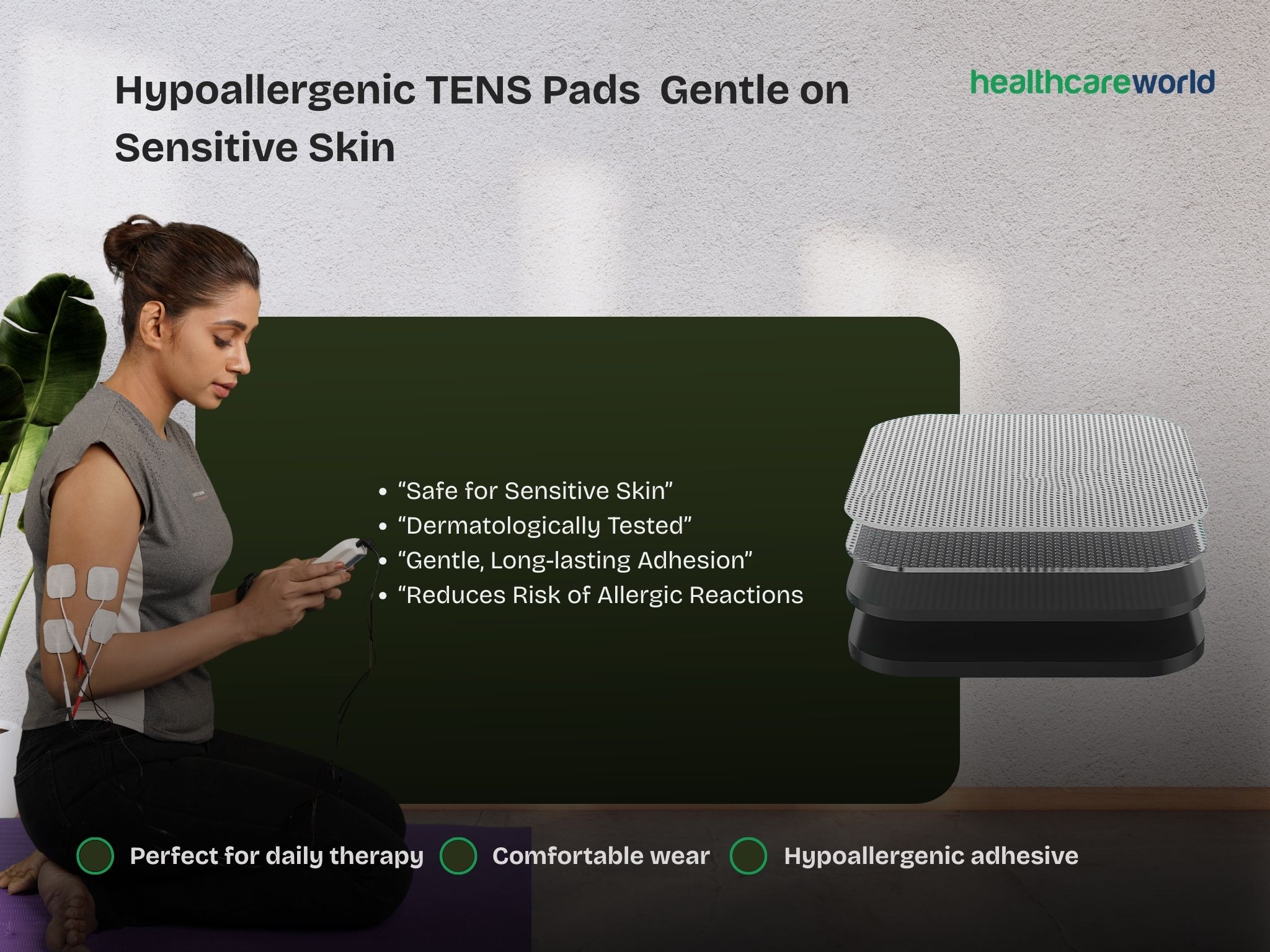
TENS (Transcutaneous Electrical Nerve Stimulation) therapy is widely used for drug-free pain relief. But while many people benefit from it, some users notice uncomfortable skin reactions after removing the pads. These reactions can range from mild redness to more persistent irritation that discourages continued use.
If you’ve ever felt your skin sting, itch, or look inflamed after a TENS session, you’re not alone. Let’s take a closer look at the most common skin problems caused by TENS pads—and how you can avoid them.
1. Redness After Use
One of the most common issues is temporary redness where the electrodes were placed. This usually happens due to the adhesive pressing against the skin or prolonged wear. While redness may fade within hours, for sensitive skin it can feel like irritation lingers long after therapy ends.
2. Itching and Dryness
Some users experience itchiness or dryness around the area. The adhesive gel in standard pads can strip natural oils from the skin, leaving it dry and uncomfortable. This is especially noticeable if you use TENS therapy daily or multiple times a week.
3. Rashes and Bumps
In more sensitive individuals, TENS pads can cause raised bumps, small rashes, or even blisters. These symptoms usually point to a reaction to the adhesive or gel material, especially if the pads are left on too long or reused excessively.
4. Allergic Reactions (Latex or Adhesive Sensitivity)
Some TENS pads contain latex or certain adhesives that trigger allergic reactions. This can result in burning sensations, prolonged itching, or widespread irritation. People with known skin sensitivities are particularly at risk of developing these kinds of reactions.
5. Skin Damage from Overuse
When pads are used beyond their recommended lifespan, the adhesive tends to break down. This not only reduces conductivity but can also leave sticky residue on the skin, pulling at it during removal and causing micro-tears or soreness.
How Hypoallergenic TENS Pads Can Help (Subtle Introduction)
If you’ve experienced any of these issues, you don’t have to give up on TENS therapy. A simple switch in pad type often makes a big difference.
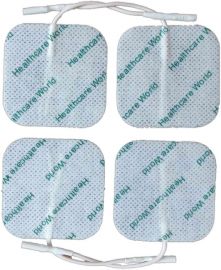
Hypoallergenic TENS pads are designed with gentle, latex-free adhesives and skin-friendly gels that reduce the risk of irritation. They provide the same effective pain relief but with added comfort for sensitive or allergy-prone skin.
By choosing pads made for delicate skin, users can continue their therapy without worrying about rashes, itching, or redness interfering with their pain management routine.
Conclusion
Skin reactions from TENS pads are common and can discourage people from using their devices as often as they’d like. From redness and dryness to allergic flare-ups, these problems are usually linked to the materials in standard electrodes.
The good news? With the right pad choice, you can enjoy TENS therapy without compromising your skin health. Hypoallergenic TENS pads offer a subtle yet effective solution for those who want both pain relief and skin comfort.
References
-
Mayo Clinic – “TENS: How It Works and Safety Tips” https://www.mayoclinic.org/tests-procedures/tens/about/pac-20384603
-
Cleveland Clinic – “TENS Therapy for Pain Relief” https://my.clevelandclinic.org/health/treatments/21836-transcutaneous-electrical-nerve-stimulation-tens
-
American Academy of Dermatology – “Sensitive Skin: Signs and Care” https://www.aad.org/public/everyday-care/skin-care-basics/sensitive-skin
-
Healthline – “Hypoallergenic Products and Skin Irritation” https://www.healthline.com/health/hypoallergenic