We use cookies to make your experience better. To comply with the new e-Privacy directive, we need to ask for your consent to set the cookies. Learn more.
 info@hcwhealth.com
 01695 227300 MON-FRI 08:30-17:00
 FREE SHIPPING FOR UK ORDERS OVER £20.00 excl. VAT
Can You Build Tolerance to TENS Machines? How to Keep Therapy Effective
Posted:
August 28, 2025

Introduction
TENS (Transcutaneous Electrical Nerve Stimulation) therapy is a popular, drug-free method to relieve pain. Many people experience amazing initial results, but some notice that over time, the same settings feel less effective. This is a natural phenomenon known as tolerance.
Understanding how tolerance develops—and how to prevent it—can help you keep your TENS therapy effective for months or years.
What Is TENS Tolerance?
Tolerance happens when your nervous system adapts to repeated electrical stimulation. Essentially, your nerves get “used to” the same intensity and frequency, which can reduce the perceived pain relief.
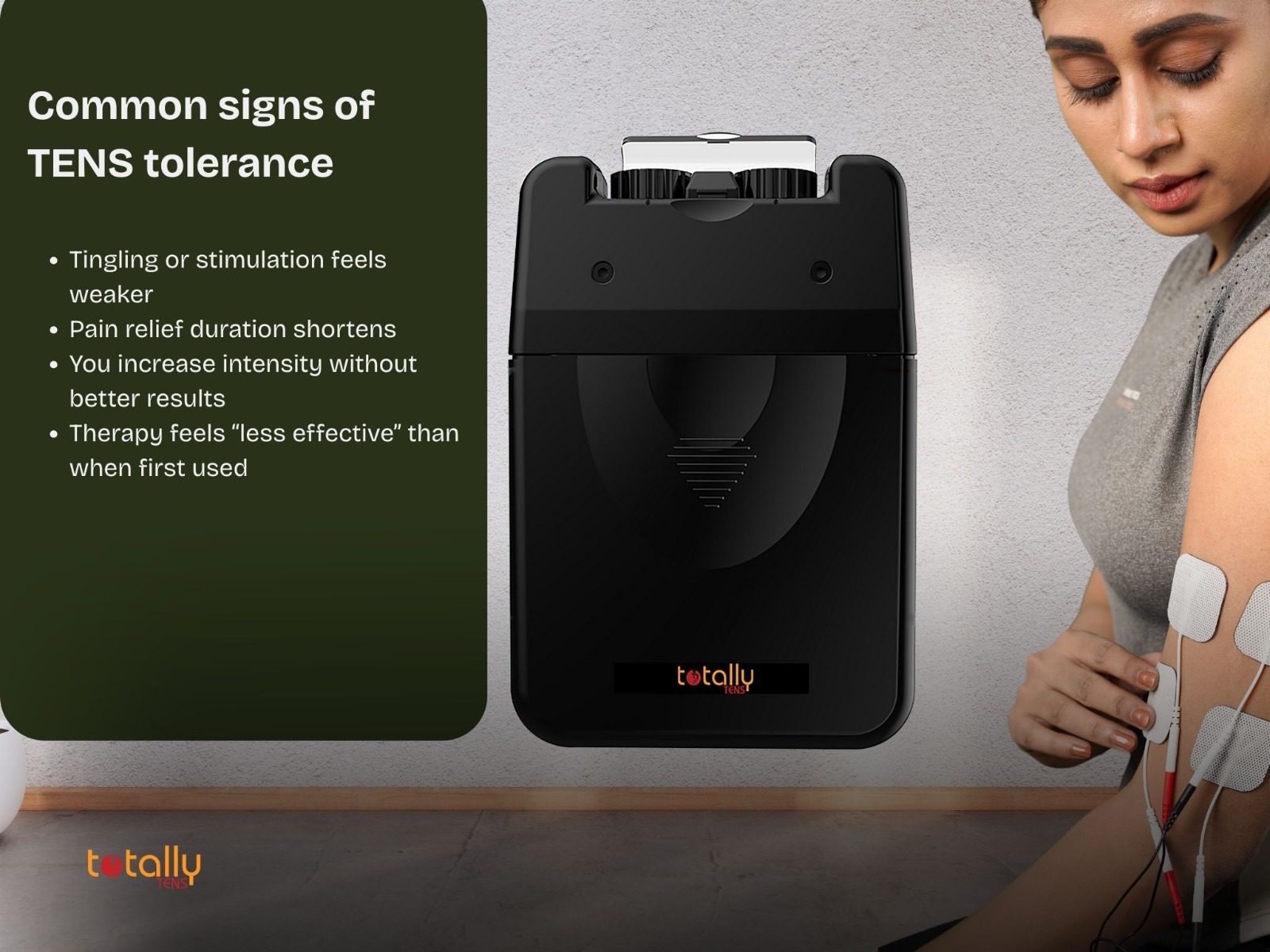
Common signs of TENS tolerance include:
-
Tingling or stimulation feels weaker
-
Pain relief duration shortens
-
You increase intensity without better results
-
Therapy feels “less effective” than when first used
Tolerance is more likely if:
-
You use the same mode and intensity every day
-
Electrode pads are worn or improperly placed
-
Sessions are too long or too frequent
Why Tolerance Happens
-
Neural Adaptation: Nerve fibers (Aβ, Aδ, C fibers) adjust to the constant stimulation, so the “pain gate” effect is reduced.
-
Endorphin Plateau: Low-frequency TENS stimulates endorphin release, but over time, the body may produce less in response to the same settings.
-
Skin & Adhesive Factors: Worn pads or poor skin contact reduce effective current delivery.
How to Keep TENS Therapy Effective
1. Vary Frequency and Intensity
Switch between low and high frequencies or use modulation modes to stimulate different nerve fibers. This prevents your nerves from adapting to a single pattern.
2. Rotate Pad Placement
Slightly adjust electrode positions to avoid over-stimulating the same nerve pathways. Even small changes can improve effectiveness.
3. Limit Session Duration
Avoid running TENS sessions continuously at high intensity. Use recommended session lengths (15–30 minutes) to reduce nerve adaptation.
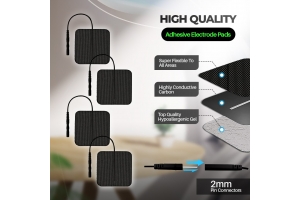
4. Use Fresh, High-Quality Pads
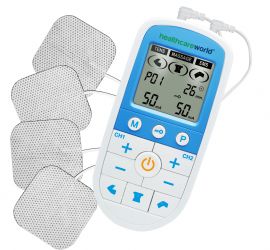
Old or worn pads reduce conductivity. Replacing pads regularly ensures consistent stimulation and prolongs TENS effectiveness.
5. Consider a Versatile Machine
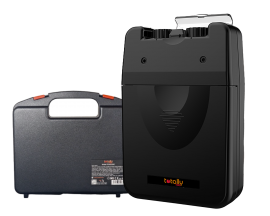
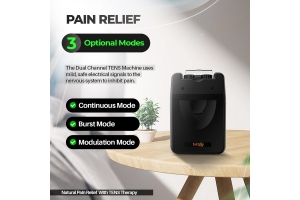
Devices with adjustable modes, dual channels, and precise intensity control, like the Totally TENS TPN Analogue Dual Channel Machine, allow you to:
-
Target multiple body areas at once
-
Switch between Burst, Normal, and Modulation modes
-
Adjust pulse width and frequency for nerve-specific stimulation
This versatility helps prevent tolerance and keeps therapy effective over time.
Conclusion
Building tolerance to TENS machines is common, but it doesn’t mean your therapy stops working. By varying intensity, frequency, pad placement, and using high-quality, versatile devices like the Totally TENS TPN machine, you can maintain effective pain relief for the long term.
Tip: Treat TENS therapy like exercise for your nerves—variation and consistency are key to keeping it working optimally.
References
-
Cleveland Clinic – “TENS Therapy: Pain Relief Through Electrical Stimulation” https://my.clevelandclinic.org/health/treatments/21836-transcutaneous-electrical-nerve-stimulation-tens
-
Mayo Clinic – “TENS: How It Works and Safety Tips” https://www.mayoclinic.org/tests-procedures/tens/about/pac-20384603
-
Healthline – “TENS Therapy for Pain Relief: Benefits, Risks, and How to Use” https://www.healthline.com/health/tens-therapy
Related Products