We use cookies to make your experience better. To comply with the new e-Privacy directive, we need to ask for your consent to set the cookies. Learn more.
 info@hcwhealth.com
 01695 227300 MON-FRI 08:30-17:00
 FREE SHIPPING FOR UK ORDERS OVER £20.00 excl. VAT
shah hoque
-
Introduction
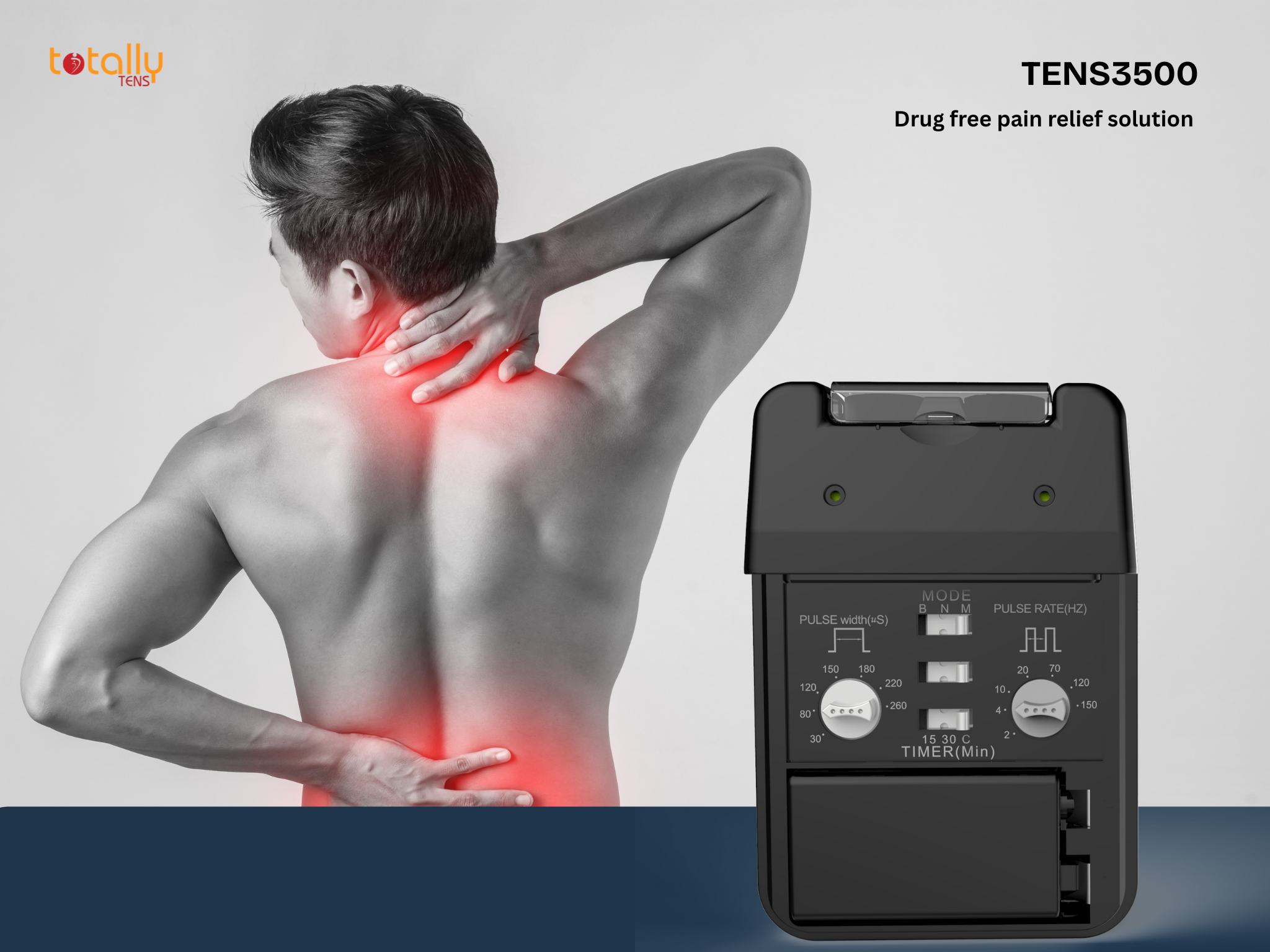
TENS (Transcutaneous Electrical Nerve Stimulation) therapy is a popular, drug-free method to relieve pain. Many people experience amazing initial results, but some notice that over time, the same settings feel less effective. This is a natural phenomenon known as tolerance.
Understanding how tolerance develops—and how to prevent it—can help you keep your TENS therapy effective for months or years.
What Is TENS Tolerance?
Tolerance happens when your nervous system adapts to repeated electrical stimulation. Essentially, your nerves get “used to” the sam
Read more »Posted: August 28, 2025 -
Introduction
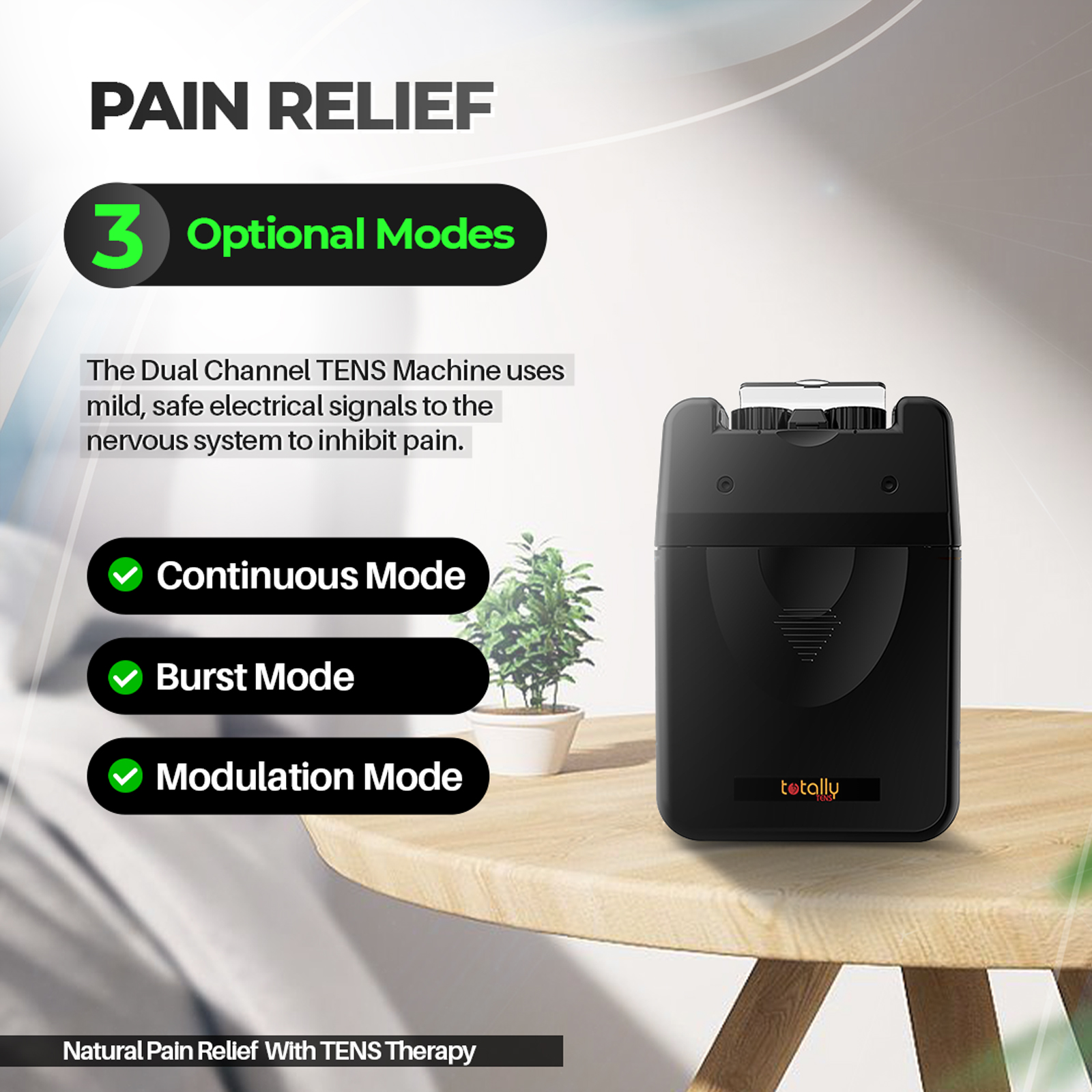
When using a TENS machine, most people feel a tingling sensation, muscle twitching, or soothing relief. But have you ever wondered how TENS therapy actually interacts with your nerves? The answer lies in three key types of nerve fibers: Aβ, Aδ, and C fibers.
Understanding how TENS affects these fibers helps explain why it works so well for pain relief – and why choosing the right device, like the Totally TENS TPN Analogue Dual Channel Machine, makes a big difference in results.
How TENS Therapy Works in Simple Terms
TENS (Transcutaneous Electrical Nerve Stimulation) sends tiny electrical pul
Read more »Posted: August 22, 2025 -
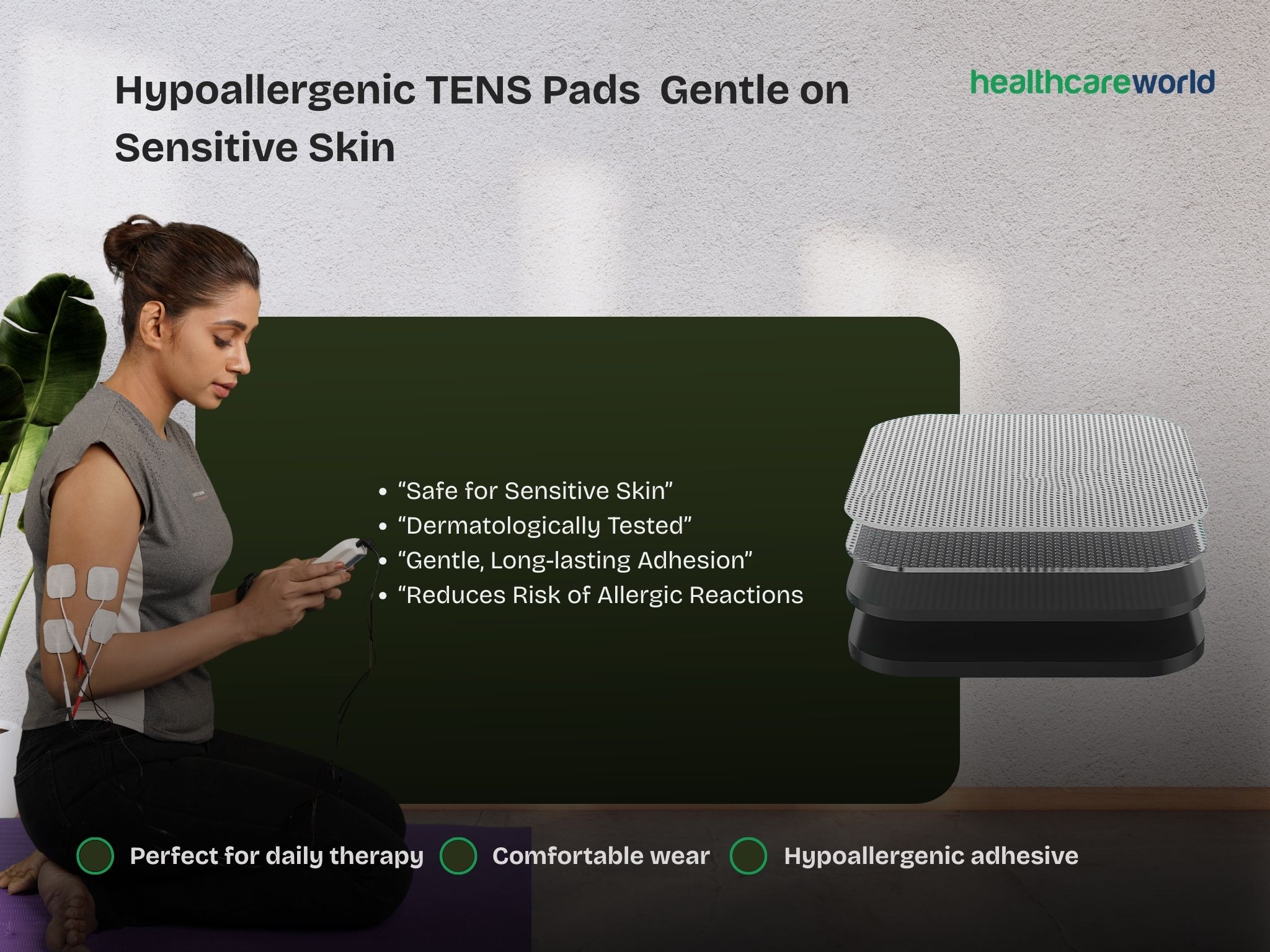
TENS (Transcutaneous Electrical Nerve Stimulation) therapy is widely used for drug-free pain relief. But while many people benefit from it, some users notice uncomfortable skin reactions after removing the pads. These reactions can range from mild redness to more persistent irritation that discourages continued use.
If you’ve ever felt your skin sting, itch, or look inflamed after a TENS session, you’re not alone. Let’s take a closer look at the most common skin problems caused by TENS pads—and how you can avoid them.
1. Redness After Use
One of the most common issues is temporary redness where the electrodes were placed. This usually happens
Read more »Posted: August 21, 2025 -
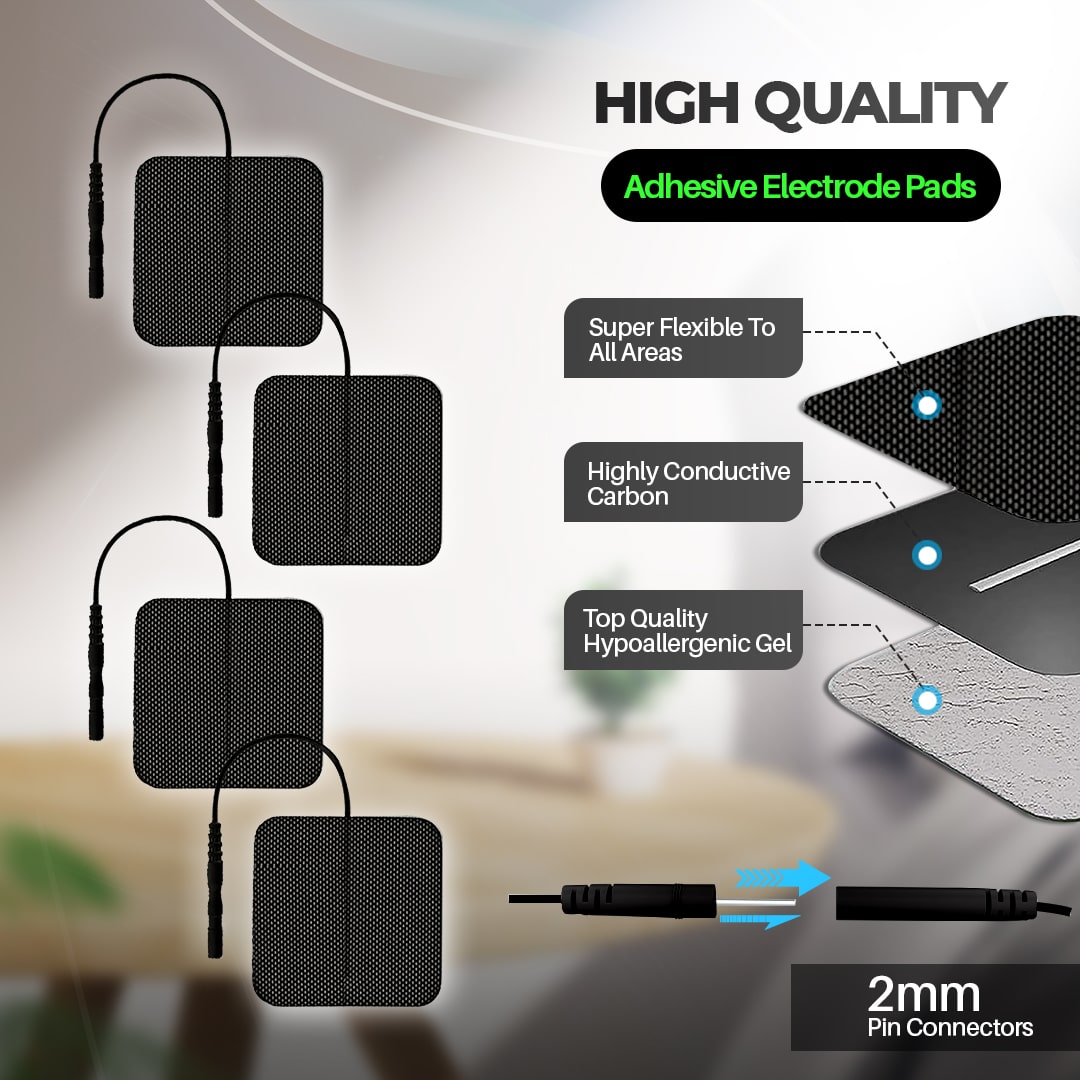
Choosing the right TENS (Transcutaneous Electrical Nerve Stimulation) pads is crucial for effective pain relief and comfort during therapy. Both hypoallergenic and standard TENS pads have their benefits, but understanding the differences can help you make the best choice for your skin type and pain management needs.
What Are Standard TENS Pads?
Standard TENS pads are the most common electrodes used with TENS devices. They are designed to provide effective electrical stimulation for pain relief and are compatible with most TENS units. These pads typically feature durable adhesive and gel that allows for strong conductivity and reliable performance.
Read more »Posted: August 20, 2025Categories: Product Knowledge -

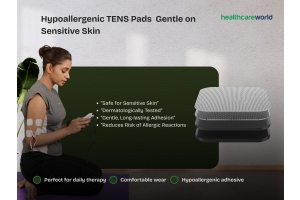
If you use a TENS (Transcutaneous Electrical Nerve Stimulation) device for pain relief, you know how important the right pads are for both comfort and effectiveness. For people with sensitive skin, regular TENS pads can sometimes cause irritation, redness, or even allergic reactions. That’s where hypoallergenic TENS pads come in.
What Are Hypoallergenic TENS Pads?
Hypoallergenic TENS pads are specially designed electrodes that minimize the risk of skin irritation. Unlike standard TENS pads, they are made from materials that are gentle on sensitive skin, often latex-free and free from harsh adhesives or chemicals that can trigger allergic reactions.
Key F
Read more »Posted: August 20, 2025Categories: Product Knowledge -

The NHS continues to seek reliable, compliant, and patient‑friendly solutions to support effective pain management pathways. At Healthcare World, we have proudly partnered with healthcare providers across the UK for over 12 years, delivering drug‑free pain relief solutions that meet the highest clinical standards.
Our work with NHS trusts demonstrates a growing recognition that TENS therapy—safe, non‑invasive, and medication‑free—offers a powerful complement to conventional treatment. This blog is designed as a resource for NHS procurement teams and clinical leads, explaining how our hypoallergenic pads and certified TENS devices can support diverse patient needs while meeting compliance requirements.
Why NHS Teams Choose Healthcare World
Our reputation in the healthcare sector is built on four pillar
Read more » -

Bringing new life into the world is undoubtedly one of life's most incredible experiences. However, the journey of childbirth often comes with its own set of challenges and discomforts. Thankfully, modern technology has provided expecting mothers with innovative solutions to manage pain during labor. One such tool gaining popularity is the TENS machine. In this comprehensive guide, we'll delve into the benefits of using a TENS machine during labor, the ideal timing for its application, and how it can empower women through the birthing process.
Understanding TENS Machines
TENS, or Transcutaneous Electrical Nerve Stimulation, is a non-invasive pain relief method that involves the use of a small, portable device. It works by sending mild electrical impulses through electrodes placed on the skin, effectively blocking pain signals from reaching the brain and promoting
Read more »Posted: May 01, 2024Categories: Knowledge -

In the pursuit of fitness and strength, TENS machines have emerged as potential allies, sparking curiosity about their role in muscle building. But amidst the excitement, a fundamental question arises: Can TENS machines truly aid in muscle growth? Let's explore this topic to uncover the reality behind the claims and understand how TENS technology might influence muscle development.
Understanding TENS Technology
TENS, or Transcutaneous Electrical Nerve Stimulation, involves delivering electrical impulses to targeted muscles through electrode pads placed on the skin's surface. While primarily recognized for pain relief, TENS therapy has piqued interest regarding its ability to stimulate muscle contractions and potentially contribute to muscle growth (Albert & Stiller, 1991).
Delving into Muscle Activation
Read more »Posted: March 19, 2024Categories: Knowledge -

In the realm of pain management, TENS machines have emerged as a popular non-invasive solution, offering relief to countless individuals worldwide. However, amidst the acclaim, a lingering question persists: Can TENS machines make pain worse? Let's delve into this topic to unravel the truth behind the myths and misconceptions.
Understanding TENS Technology TENS, short for Transcutaneous Electrical Nerve Stimulation, operates on the principle of delivering mild electrical impulses to nerve fibers, effectively disrupting pain signals sent to the brain. According to Johnson and colleagues (1991), TENS therapy modulates pain perception by activating endogenous opioid systems.
Tailoring Intensity for Optimal Relief One of the most critical aspects of TENS therapy is the ability to customize the intensity levels. By adjusting the settings
Read more »Posted: March 15, 2024Categories: Knowledge -
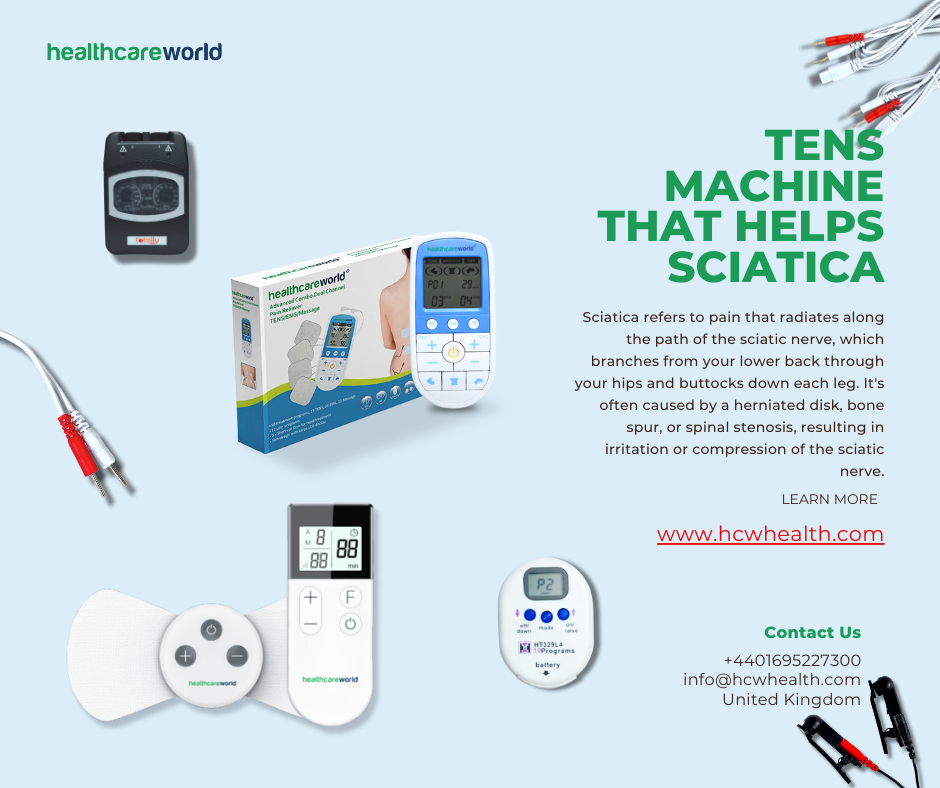
Living with sciatica can be excruciating, affecting your mobility and quality of life. Many seek relief from this condition through various means, including medication, physical therapy, and even surgery. However, there's a growing interest in non-invasive methods like Transcutaneous Electrical Nerve Stimulation (TENS) units. But does this device truly offer relief for sciatica sufferers? Let's delve into the science behind TENS units and their potential effectiveness in combating sciatic nerve pain.
Understanding Sciatica:
Sciatica refers to pain that radiates along the path of the sciatic nerve, which branches from your lower back through your hips and buttocks down each leg. It's often caused by a herniated disk, bone spur, or spinal stenosis, resulting in irritation or compression of the sciatic nerve.^[1]What is a
Read more »Posted: March 01, 2024Categories: Product Knowledge