We use cookies to make your experience better. To comply with the new e-Privacy directive, we need to ask for your consent to set the cookies. Learn more.
 info@hcwhealth.com
 01695 227300 MON-FRI 08:30-17:00
 FREE SHIPPING FOR UK ORDERS OVER £20.00 excl. VAT
What Are Hypoallergenic TENS Pads and Why They’re Best for Sensitive Skin
Posted:
August 20, 2025
Categories:
Product Knowledge
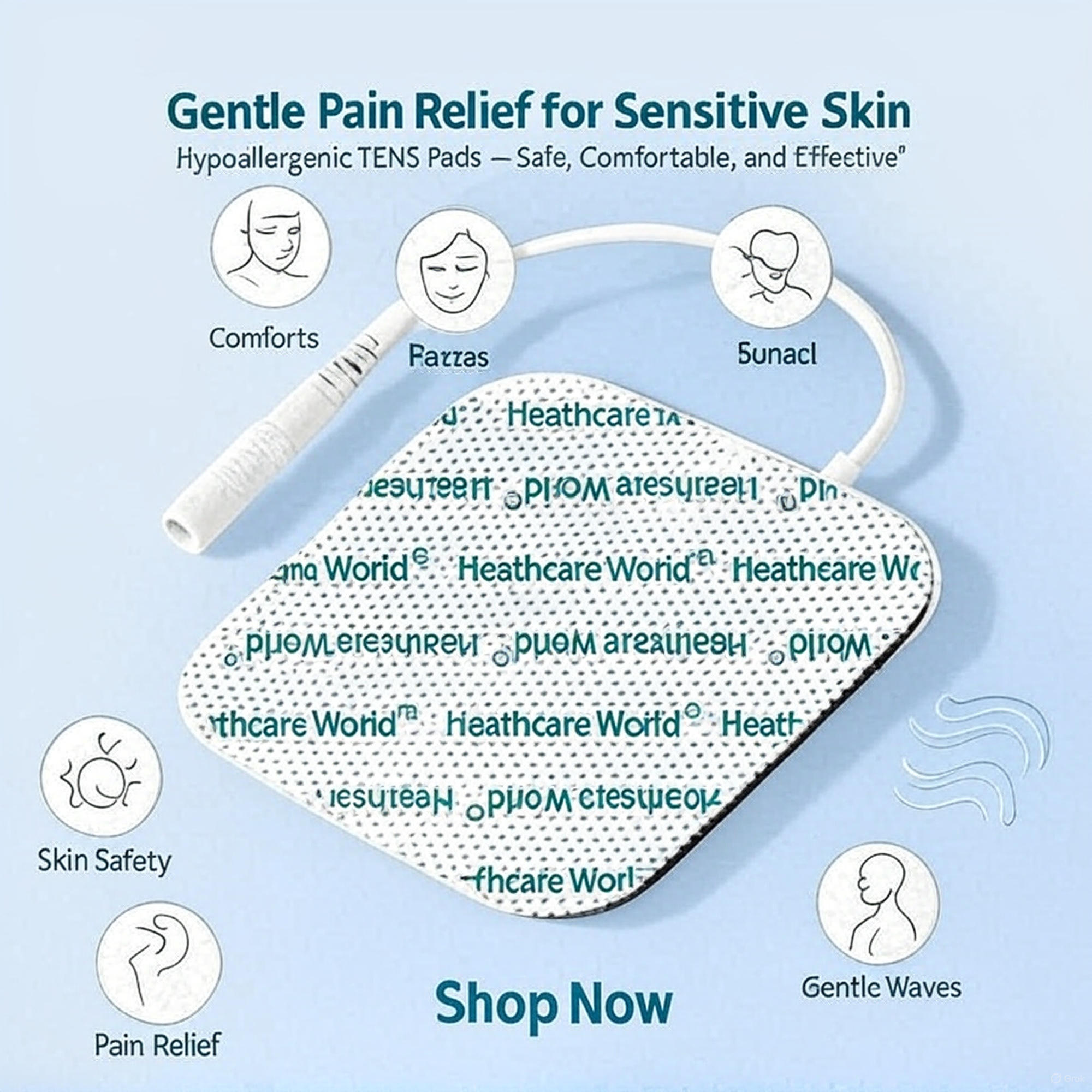
If you use a TENS (Transcutaneous Electrical Nerve Stimulation) device for pain relief, you know how important the right pads are for both comfort and effectiveness. For people with sensitive skin, regular TENS pads can sometimes cause irritation, redness, or even allergic reactions. That’s where hypoallergenic TENS pads come in.
What Are Hypoallergenic TENS Pads?
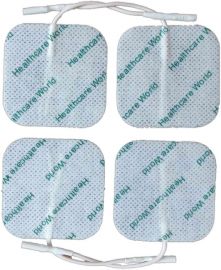
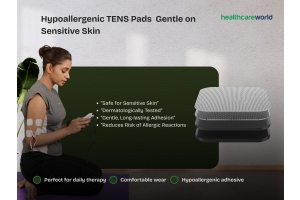
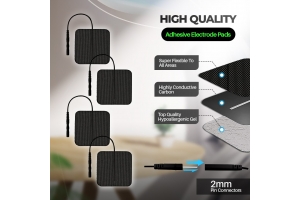
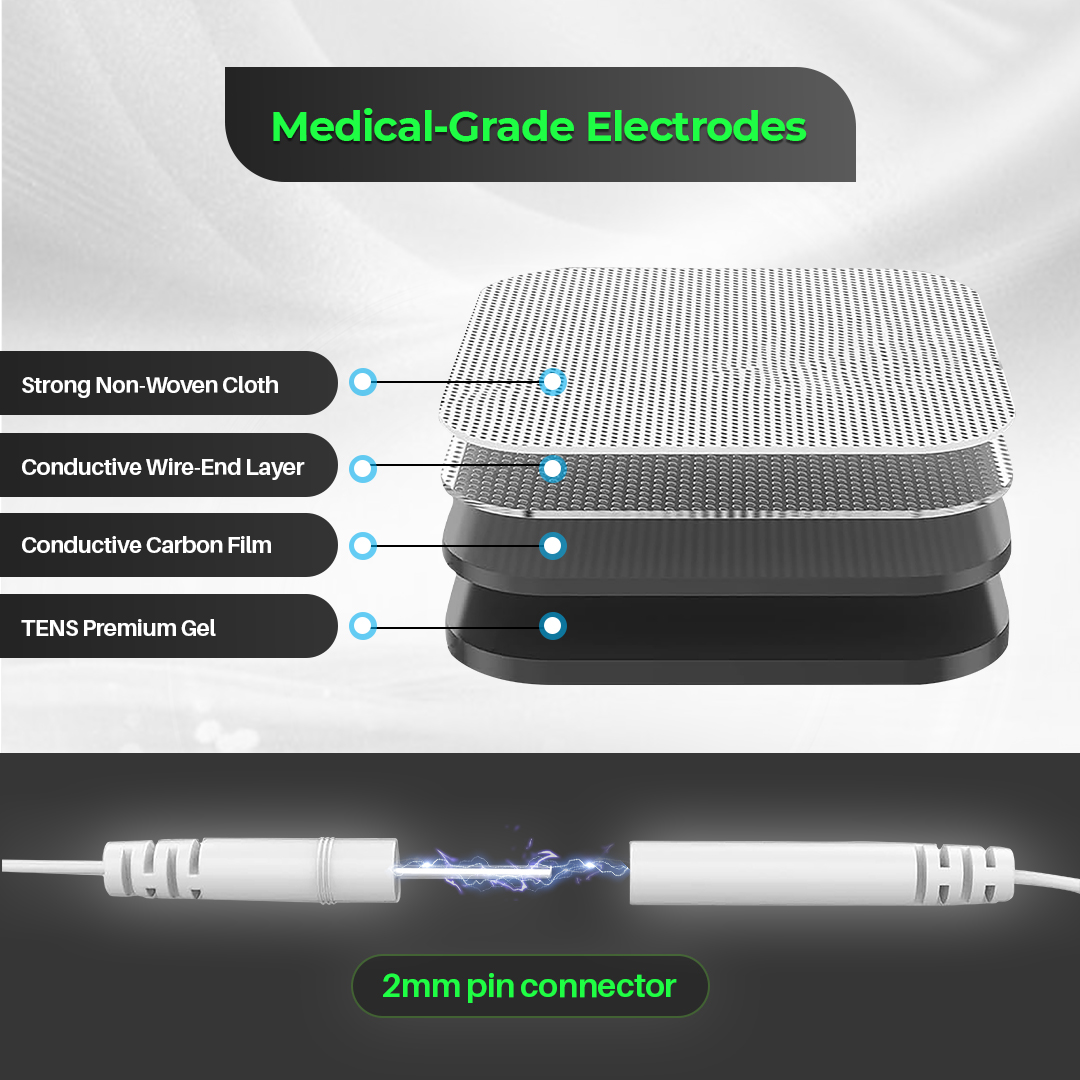
Hypoallergenic TENS pads are specially designed electrodes that minimize the risk of skin irritation. Unlike standard TENS pads, they are made from materials that are gentle on sensitive skin, often latex-free and free from harsh adhesives or chemicals that can trigger allergic reactions.
Key Features:
-
Gentle Adhesive: Keeps the pad in place without causing redness or itching.
-
Latex-Free: Safe for people with latex allergies.
-
Durable Material: Maintains conductivity and stickiness while reducing irritation.
-
Skin-Friendly Gel: Provides effective electrical stimulation without damaging delicate skin.
Why Choose Hypoallergenic TENS Pads for Sensitive Skin?
1. Reduce Skin Irritation
One of the main reasons people switch to hypoallergenic pads is to prevent redness, rashes, or itching during therapy. Standard pads can sometimes trigger these reactions, especially when used frequently.
2. Comfort During Therapy
Sensitive skin needs extra care. Hypoallergenic pads are soft and flexible, ensuring a comfortable fit that doesn’t pull or tug on your skin. This makes your TENS therapy more pleasant and longer-lasting.
3. Safe for Daily Use
People with chronic pain often use TENS devices daily. Hypoallergenic pads allow for frequent application without compromising skin health, making them ideal for long-term therapy.
4. Better Adhesion Without Compromise
These pads are designed to stick securely even on sensitive skin, ensuring consistent electrical stimulation while reducing the chance of skin damage.
How to Use Hypoallergenic TENS Pads Safely
-
Clean Your Skin: Make sure the area is free from oils, lotions, or dirt.
-
Check Pad Placement: Follow your TENS device manual for correct electrode placement.
-
Replace Pads Regularly: Even hypoallergenic pads lose adhesion over time; replacing them prevents irritation.
-
Store Properly: Keep unused pads in a sealed bag to maintain stickiness and hygiene.
Who Should Consider Hypoallergenic TENS Pads?
-
People with sensitive or allergy-prone skin.
-
Those who experience irritation from standard TENS pads.
-
Chronic pain patients using TENS therapy daily or frequently.
-
Anyone looking for a comfortable and safe pain relief solution.
Conclusion
Hypoallergenic TENS pads offer a safe, comfortable, and effective solution for anyone with sensitive skin. They combine the benefits of traditional TENS therapy with skin-friendly materials, making them an ideal choice for long-term pain management.
Investing in hypoallergenic TENS pads ensures that your pain relief routine is not only effective but also gentle on your skin, allowing you to enjoy therapy without discomfort.
References
-
Mayo Clinic. “TENS: How It Works and Safety Tips.” https://www.mayoclinic.org/tests-procedures/tens/about/pac-20384603
-
Cleveland Clinic. “TENS Therapy: Pain Relief Through Electrical Stimulation.” https://my.clevelandclinic.org/health/treatments/21836-transcutaneous-electrical-nerve-stimulation-tens
-
American Academy of Dermatology. “Sensitive Skin: How to Reduce Irritation and Allergies.” https://www.aad.org/public/everyday-care/skin-care-basics/sensitive-skin
-
Healthline. “Hypoallergenic Products: What They Are and How They Help.” https://www.healthline.com/health/hypoallergenic